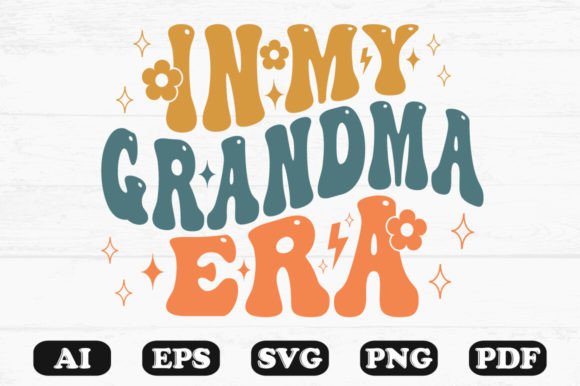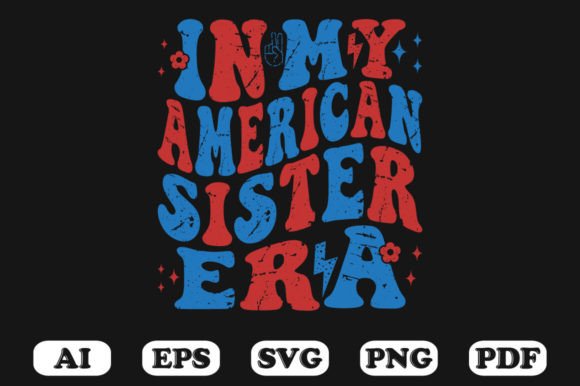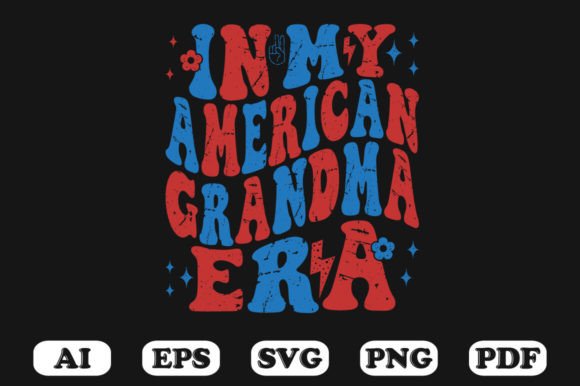
In My American Grandma Era Retro Wavy S
As someone who’s digitized, stitched, and sold hundreds of embroidery designs—from delicate baby onesies to bold boutique tote bags—I opened In My American Grandma Era Retro Wavy S expecting charm. What I got was something more nuanced: a design that breathes nostalgia without leaning into cliché, and one that demands thoughtful execution to shine.
I tested it first on a heavyweight cotton twill tote bag—exactly the kind I stock in my small shop for weekend markets. The wavy baseline, soft serif lettering, and gentle curvature gave me instant confidence: this isn’t just another retro text SVG. It’s a typography-first design built for rhythm, not rigidity. The “S” at the end curls with intention—not as an afterthought, but as punctuation with personality. That matters when you’re stitching by machine: every curve must translate cleanly into satin stitch flow, and this one does.
Where This Design Lives Best (and Why)
In My American Grandma Era Retro Wavy S thrives where warmth meets wearability. Think aprons for artisanal bakeries, pillow covers for cozy reading nooks, tea towels for farmhouse kitchens, or baby onesies styled for heirloom gifting. Its vintage tone lands gently—not kitschy, not ironic—just quietly confident in its era. That makes it ideal for small business owners building a cohesive brand voice around comfort, heritage, or handmade authenticity.
It also works beautifully as a standalone embroidered patch. The clean outer contour and moderate height (no extreme ascenders or descenders) mean it hoops easily, stitches consistently across fabric types, and reads clearly even at 3.5" wide. I ran it on midweight denim, linen-cotton blend, and even a lightly brushed fleece sweatshirt—and each time, the wave held its shape without distortion.
Real Embroidery Considerations You Can’t Skip
This isn’t a “drop-in-and-stitch” file for beginners. While it’s labeled a Graphics product, its strength lies in how well it translates to thread—not vector lines. Here’s what I watched closely:
- Hoop size & placement: The wave spans roughly 4–4.5" wide depending on scaling. For caps or curved surfaces like baseball hats, I’d scale down to 3" max—or skip it entirely. Curves + tight hoops = skipped stitches or puckering.
- Fabric texture: On nubby linen or thick terry cloth, the fine serifs softened slightly. Not a flaw—but a reminder to test on your exact fabric first. Smooth cottons and stable knits return the sharpest results.
- Thread contrast: This design relies on legibility through silhouette and stroke weight. On dark fabric, avoid pale pastels unless you add underlay or use a light stabilizer. I used navy thread on oatmeal canvas and loved the grounded, timeless effect.
- Stitch density: As a machine embroidery design, it leans toward medium fill and smooth satin outlines—not heavy fill stitch. That’s smart: it keeps the wave fluid and prevents stiffness on wearable items like sweatshirts or baby embroidery.
Where to Proceed With Care
Don’t reach for In My American Grandma Era Retro Wavy S when you need razor-thin detail on stretchy jersey, ultra-fine voile, or layered garments like reversible jackets. The wave’s gentle amplitude doesn’t collapse on thin fabric—but tiny letterforms (<3/8" tall) risk blending together post-stitch. Likewise, avoid dense decorative accents nearby; this design earns attention by breathing, not competing.
For holiday embroidery or wedding gifts? Yes—but only if the recipient embraces nostalgic warmth. It won’t resonate with minimalist or modern-sleek branding. And while it’s perfect for personalized gifts, remember: the phrase itself invites emotional connection. Use it intentionally—not as filler.
What It Adds to Your Craft Business (Beyond Aesthetics)
This is where In My American Grandma Era Retro Wavy S quietly elevates your work. It signals care—not just in stitching, but in curation. Customers notice when typography feels intentional, not algorithmically generated. When I added it to a set of nursery-themed tea towels, buyers mentioned “the grandma vibe” unprompted—proof it communicates mood without explanation.
For Etsy sellers and craft fair vendors, it strengthens perceived value. A simple embroidered tote becomes a story: “Made for slow mornings and strong coffee.” That narrative sticks. And because it’s rooted in recognizable yet understated retro styling, it avoids trend fatigue—it’ll still feel fresh six months from now.
Practical Designer Notes Before You Stitch
Before adding In My American Grandma Era Retro Wavy S to your next embroidery project, do these five things:
- Run a test on scrap fabric matching your final product’s weight and weave.
- Check thread color contrast in both natural and artificial light—especially for custom apparel.
- Review stitch density in your embroidery software; adjust underlay if stitching on knit or low-stability fabric.
- Confirm hoop compatibility—this design benefits from at least a 5"x7" hoop for optimal wave integrity.
- Verify licensing terms before selling finished products or bundling it into digital embroidery files for resale.
Remember: In My American Grandma Era Retro Wavy S isn’t just a digital embroidery file. It’s a mood, a moment, and a quiet invitation to slow down. Used well, it turns everyday handmade products into keepsakes—and that’s the kind of detail that builds trust, repeat buyers, and real word-of-mouth.
If you're curating design assets for a growing craft business, this one earns shelf space—not because it’s trendy, but because it’s timeless in execution and generous in spirit. Just give it the attention it deserves.