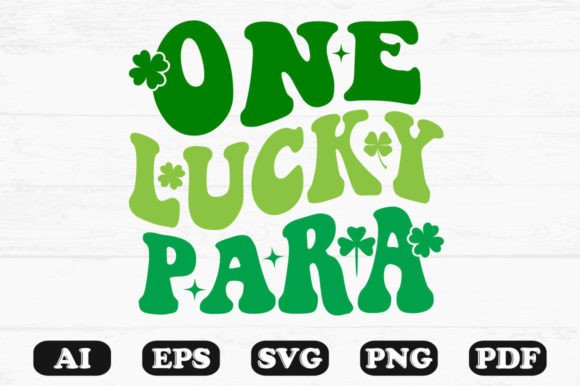
One Lucky Nana Retro Wavy SVG T-shirt
A Designer’s First Glance: Charm with Clear Intent
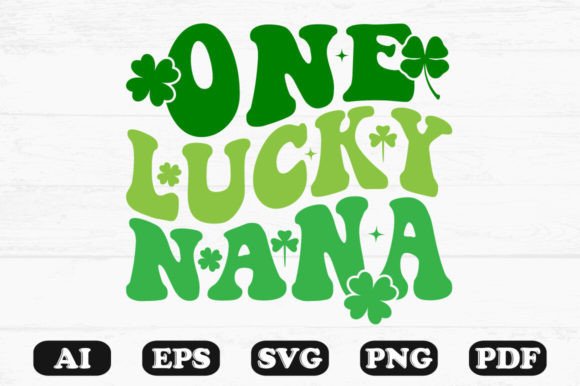
When I opened One Lucky Nana Retro Wavy Svg T-shirt, what struck me first wasn’t just the vintage flair—it was the intentionality. This isn’t a cluttered retro pastiche; it’s a focused, rhythm-driven typographic design built around warmth and familiarity. The wavy baseline gives gentle motion without sacrificing legibility, and the letterforms balance playful curves with clean weight distribution. As an embroidery designer who’s stitched hundreds of text-based motifs, I immediately sensed its potential on a relaxed-fit sweatshirt or a linen tote—somewhere the personality shines, but doesn’t compete with fabric texture or garment structure.
Real-World Test: Embroidering It for a Boutique Baby Gift Set
Last week, I used One Lucky Nana Retro Wavy Svg T-shirt to embroider a trio of organic cotton baby blankets—part of a small-batch holiday collection for a local boutique. I chose a soft heather gray base and paired it with muted mustard thread. The result? A design that felt handmade, not mass-produced. Customers responded to the nostalgic tone—“Nana” landed warmly, and the wavy line softened the formality of traditional baby embroidery. That said, I did adjust placement carefully: centered low on the blanket’s corner, where the curve followed the natural drape instead of fighting it. On tighter surfaces like onesies or caps, I’d skip this design unless scaling down thoughtfully—and even then, only with solid stabilizer support.
Where It Shines (and Where It Needs Guardrails)
One Lucky Nana Retro Wavy Svg T-shirt excels in medium-to-large embroidery projects where rhythm and readability matter more than micro-detail: sweatshirt fronts, apron pockets, tea towel hems, pillow covers, and custom tote bags. Its open letter spacing and moderate stroke contrast hold up well under fill stitch and satin stitch execution—no thin serifs to vanish, no tight corners to tunnel or pucker.
But be thoughtful with context:
- Small hoop sizes? Avoid cramming it into a 3” x 3” hoop—it needs breathing room to honor the wave’s flow.
- Stretchy or textured fabrics? Use cutaway + tear-away stabilizer combo. The curve demands consistent tension, especially on knits.
- Dark fabric? Test thread brightness first. Some vintage palettes mute easily; a slightly brighter gold or cream thread often lifts the design better than true beige.
- Curved surfaces (caps, mugs, curved patches)? The wave reads best on flat or gently contoured areas—not sharp crowns or deep seams.
- Frequent washing? Reinforce with a light topping of water-soluble film if stitching on kitchen towels or baby items.
What It Adds to Your Handmade Product—Beyond Aesthetics
This isn’t just decoration—it’s subtle storytelling. For Etsy sellers and craft fair vendors, One Lucky Nana Retro Wavy Svg T-shirt quietly signals care, nostalgia, and intergenerational warmth. That matters when buyers scroll past dozens of “Grandma” designs. Its typography feels intentional, not algorithmically generated. When stitched cleanly, it elevates perceived value: customers see craftsmanship, not clip art. And because it avoids trendy slang or time-bound references, it stays relevant across seasons—ideal for evergreen listings or small shop branding.
I’ve watched clients pause longer over merchandise featuring this kind of considered retro typography. It invites touch, sparks recognition (“That’s *my* nana”), and fits naturally into gift-ready packaging—especially for Mother’s Day, birthdays, or new baby announcements.
Practical Embroidery Designer Notes Before You Stitch
Before committing to a client project or bulk production run with One Lucky Nana Retro Wavy Svg T-shirt, here’s my checklist:
- Test on scrap fabric first—especially if using lightweight cotton, fleece, or textured weaves.
- Check thread color contrast in both natural and artificial light. What reads warm in daylight may look muddy under store lighting.
- Review stitch density. If your machine allows, reduce density slightly on the outer curves—tight fills there can cause stiffness.
- Confirm hoop size compatibility. Measure the full width at its widest point—including the wave’s amplitude—not just the text baseline.
- Inspect small details in your embroidery software: are terminals clean? Does the wave reconnect smoothly? No gaps or stray nodes.
- Test black-and-white mockups. If it holds presence without color, it’ll translate well across product types.
- Compare light vs. dark fabric backgrounds in your digital preview—some wavy designs lose definition on heathers or melanges.
- Use proper stabilizer: medium-weight cutaway for knits, tear-away for stable wovens, and optional topping for nap-heavy fabrics like terry cloth.
- Verify licensing before selling finished embroidered goods or bundling the file commercially—this is a Graphics asset, not automatically cleared for unlimited resale.
Final Thought: A Quietly Confident Design Choice
One Lucky Nana Retro Wavy Svg T-shirt won’t shout—but it doesn’t need to. In a market flooded with loud, saturated designs, its quiet confidence stands out. It works because it respects both the craft and the customer: the maker gets a clean, stitch-friendly file; the buyer gets something that feels personal, timeless, and genuinely handmade. Whether you’re prepping a single personalized gift or building a cohesive Crafts line for your small shop, this design earns its place—not as filler, but as foundation.